
* PLEASE NOTE *
We are currently contracted to a full time aerial project so unable to provide property inspections at this time. We will update this page when we become available
Drone Property Inspections
Professional drone inspections for safe, efficient property assessment
Our Story
With the first drone purchased back in 2013, the original goal was to create a cinematic aerial view of Helvellyn (Lake District). After visiting this iconic Lakeland mountain many times over many years, the dream was to capture it from above and give a perspective that I’d not seen before.
It didn’t take long to realise the potential of a drone to capture much more!
With the ability to carry out property inspections, work began with inspecting our own home. As word spread, this progressed to friends, family and a wider audience!
Drone technology continues to improve at pace. Now much smaller in size with vastly improved safety features & high quality cameras, we are able to quickly get airborne and capture the image!
With prices starting from as little as £50, we provide professional drone property inspections that safely and efficiently assess hard-to-reach areas of your home, commercial, agricultural or industrial property without the need for scaffolding or ladders.
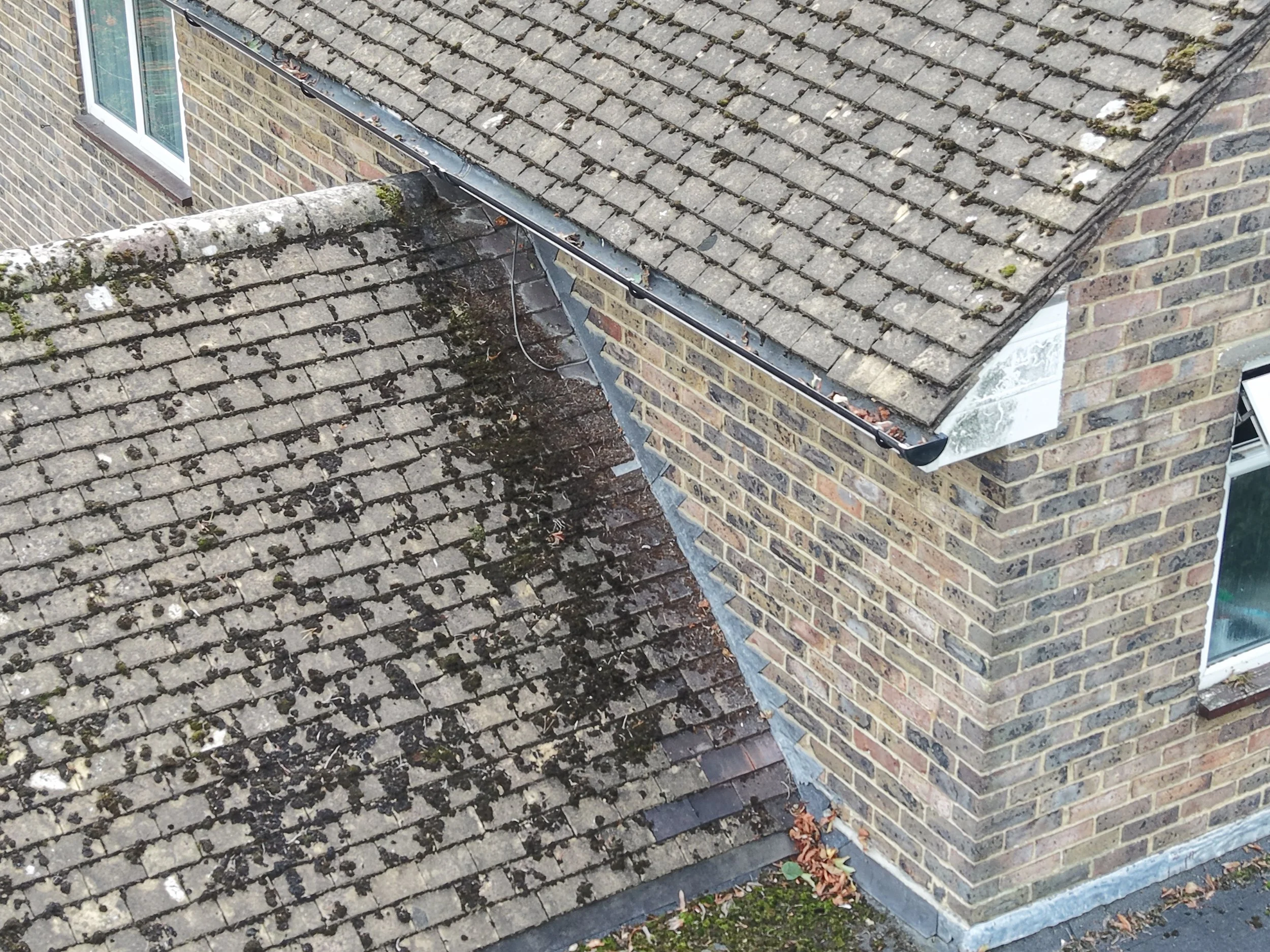
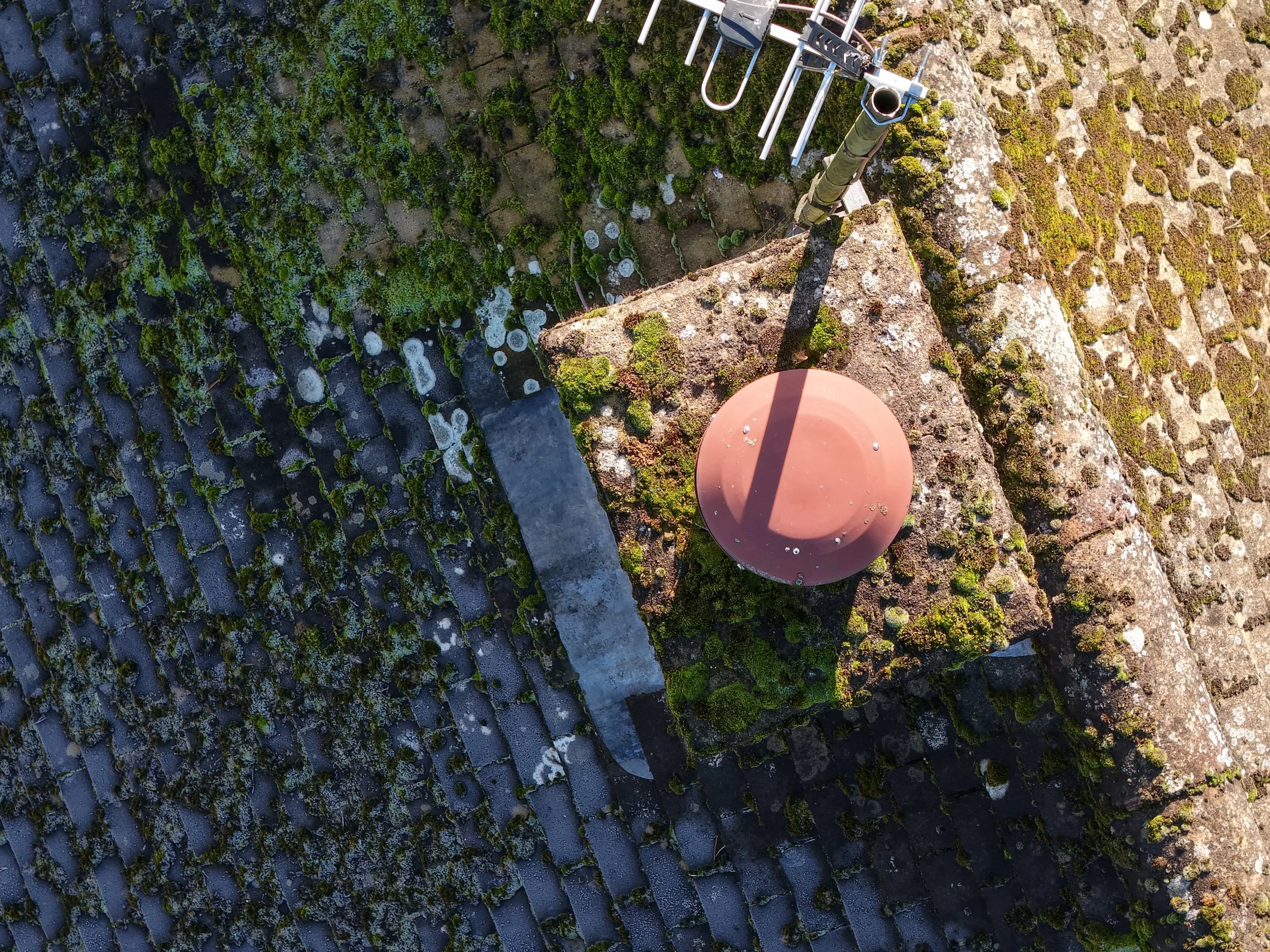
Using modern drone technology with high-resolution cameras, we identify common issues such as damaged roofs, slipped tiles, blocked gutters, moss growth, faulty aerials, and drainage problems before they lead to costly repairs.
Our fully insured, CAA-certified pilots deliver clear imagery and actionable insights, helping homeowners, landlords, and property professionals make informed maintenance decisions quickly, safely, and cost-effectively.
-
Safety is dramatically improved as you eliminate the need to physically climb roofs or precarious platforms, thereby reducing the risk of falls or injury. A drone can quickly and precisely access gutters, parapets, chimney stacks, roof valleys, cladding joints or facades without putting human operatives in harm’s way.
-
Speed and efficiency are significantly enhanced: whilst it might take hours to erect scaffolding, deploy ladders, or arrange a cherry picker, it can often be completed in a fraction of the time with a drone, reducing costs and disruption to the property occupants.
-
Cost savings are considerable: scaffolding and lifting equipment are expensive to hire and maintain, and require labour-intensive assembly; by contrast, a drone flight is much cheaper, with fewer overheads, enabling more frequent inspections and lower inspection costs.
-
Drones deliver high-resolution data and detailed imaging: equipped with high-definition cameras & zoom lenses, drones can provide detailed photographs & video of surfaces that would otherwise be extremely challenging to examine. This rich data can help to identify cracks, moisture ingress & roof degradation often more precisely than what could be seen from the ground or even from ladders.
-
Drones offer minimal disruption: because no bulky scaffold needs erecting and no heavy machinery or crews need to be on site, inspections can often happen without disturbing residents, business operations, or traffic.
-
Drones can manoeuvre into tight or awkward spaces, hover and reposition easily, and revisit the same spot for before-and-after comparisons following repairs.
-
The use of a drone often allows for more frequent monitoring: because it is quicker, safer, and cheaper, property managers or owners are able to commission regular inspections, catching small issues before they escalate into costly damage. By contrast, without a drone, inspections would likely rely on erecting scaffolding, using ladders or hiring rope-access technicians – all of which are slower, riskier, more intrusive, and more expensive, and often limited in the level of detail they can safely provide.
Benefits of using a drone
Services
-
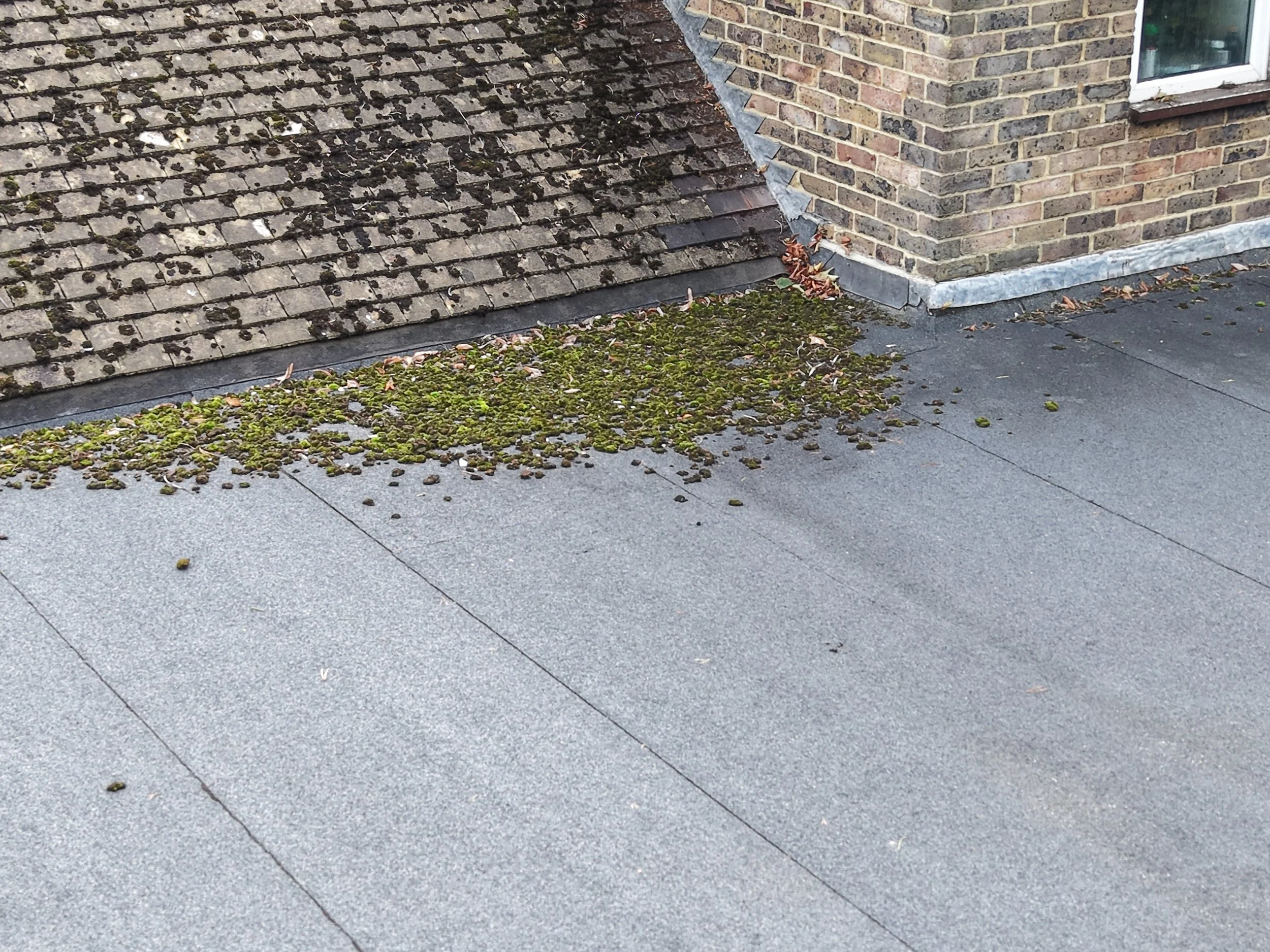
FLAT ROOF
A faulty or damaged flat roof can cause significant damage to a property's interior and structural integrity due to water ingress. If left unchecked this can lead to mould growth, rot, and potential structural deterioration.
-
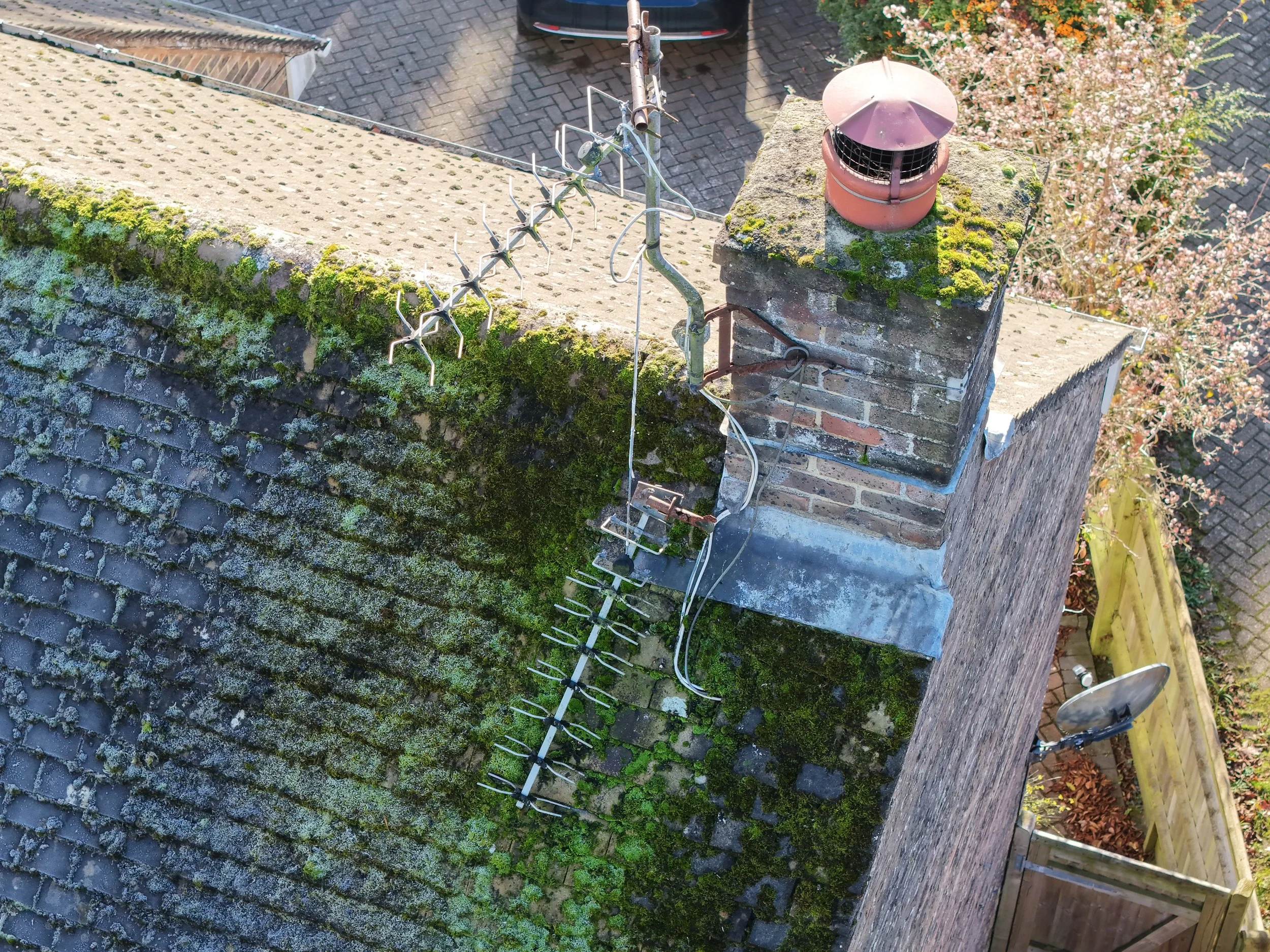
TV / SATELITE AERIAL
Broken or damaged TV / Satellite hardware can not only result in significant signal reception issues but it can also cause physical property damage or even personal injury in harsh weather conditions.
-
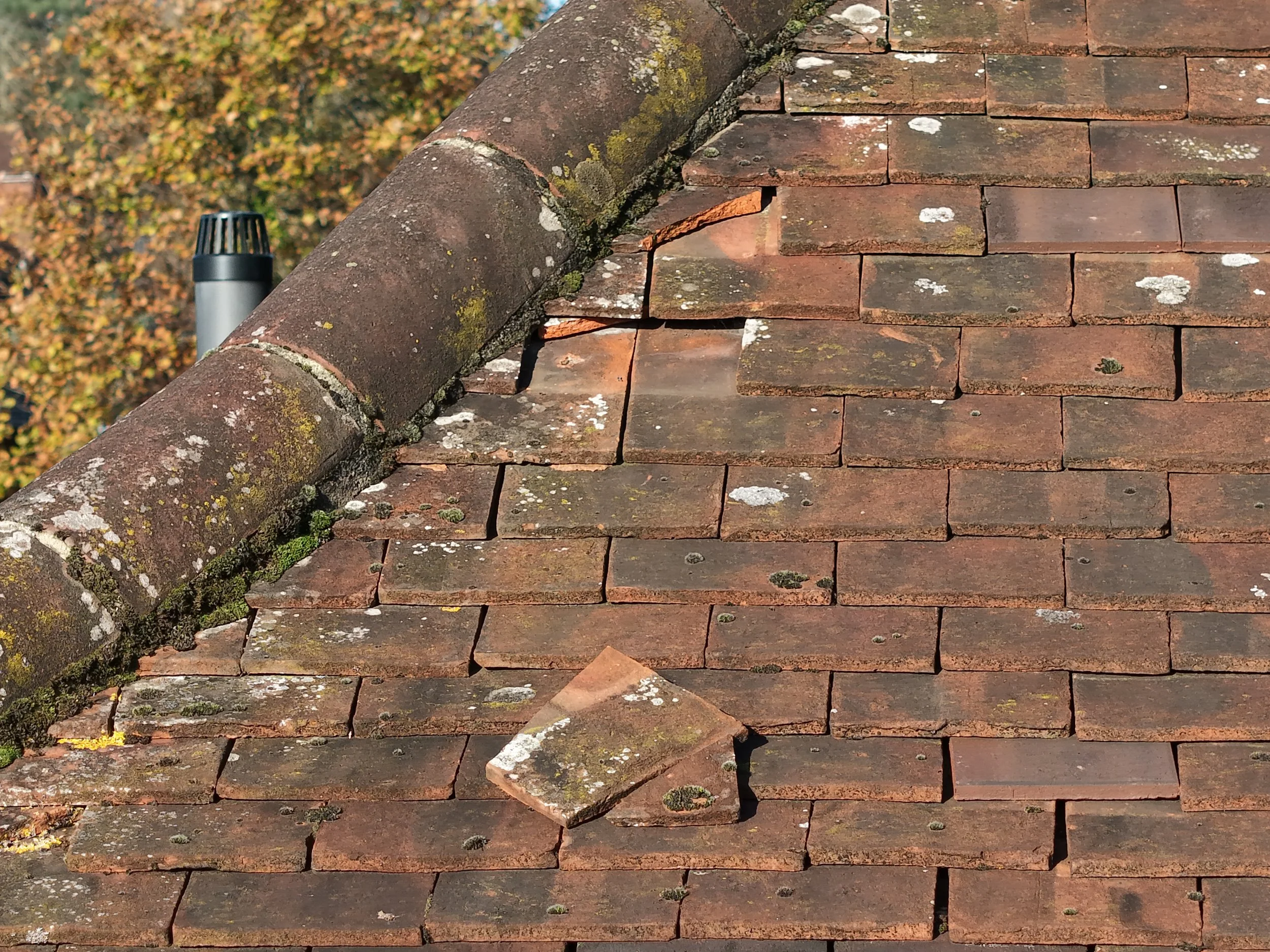
SLIPPED TILES
Slipped roof tiles cause major problems by creating gaps for water ingress, leading to interior damp, mould, and insulation damage. There is a risk of structural damage and significant repair costs if ignored.
-
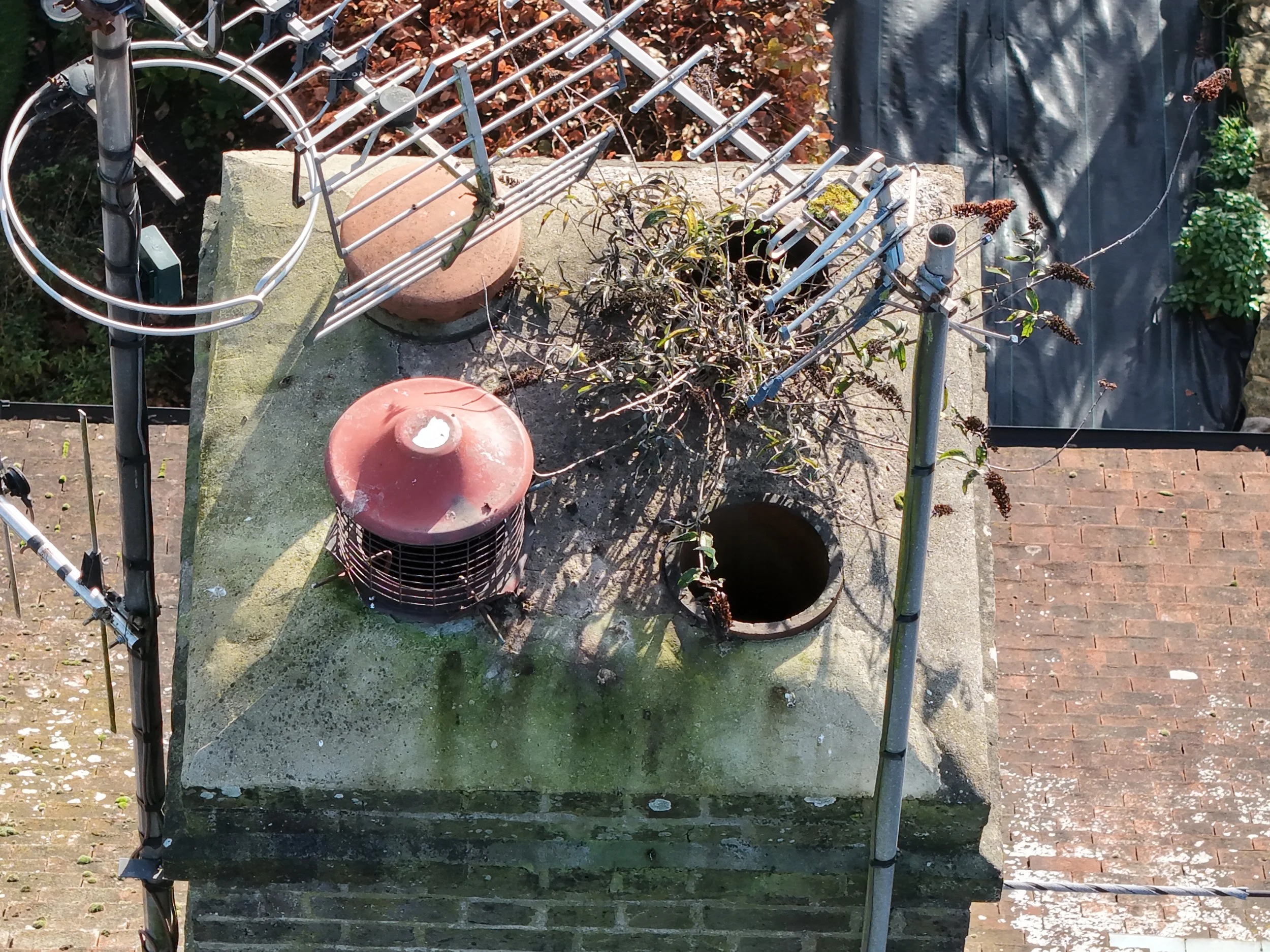
VEGETATION
Vegetation growth, such as moss, algae, lichen, and even small tree seedlings, can cause a range of significant problems for a property's roof, primarily through moisture retention, physical damage, and compromised drainage.
-
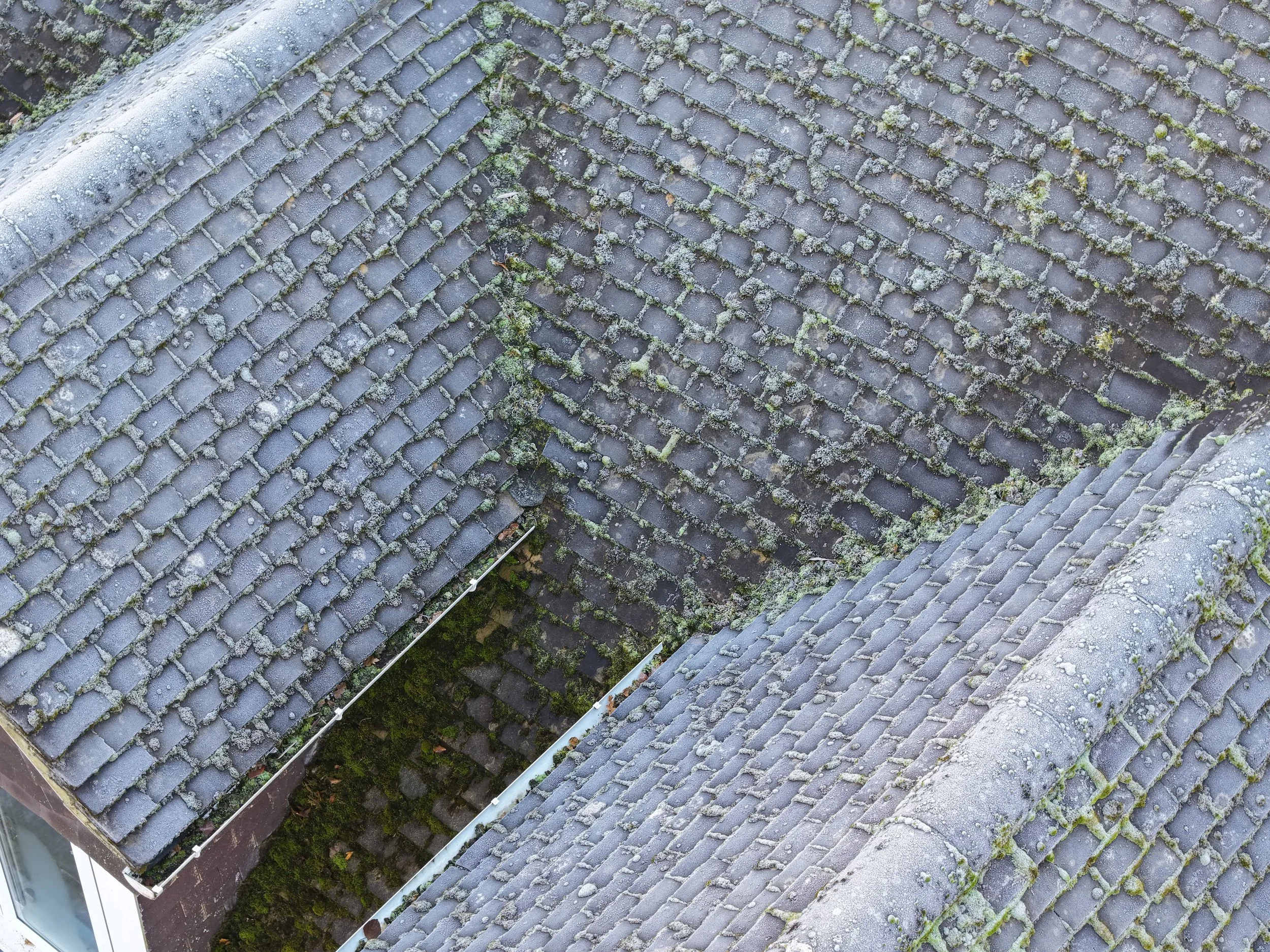
VALLEYS
Blocked or damaged roof valleys can lead to a cascade of significant problems, primarily water infiltration, which causes interior damage, structural weakening, and mould growth. Valleys channel large volumes of water, making them particularly vulnerable areas of a roof.
-
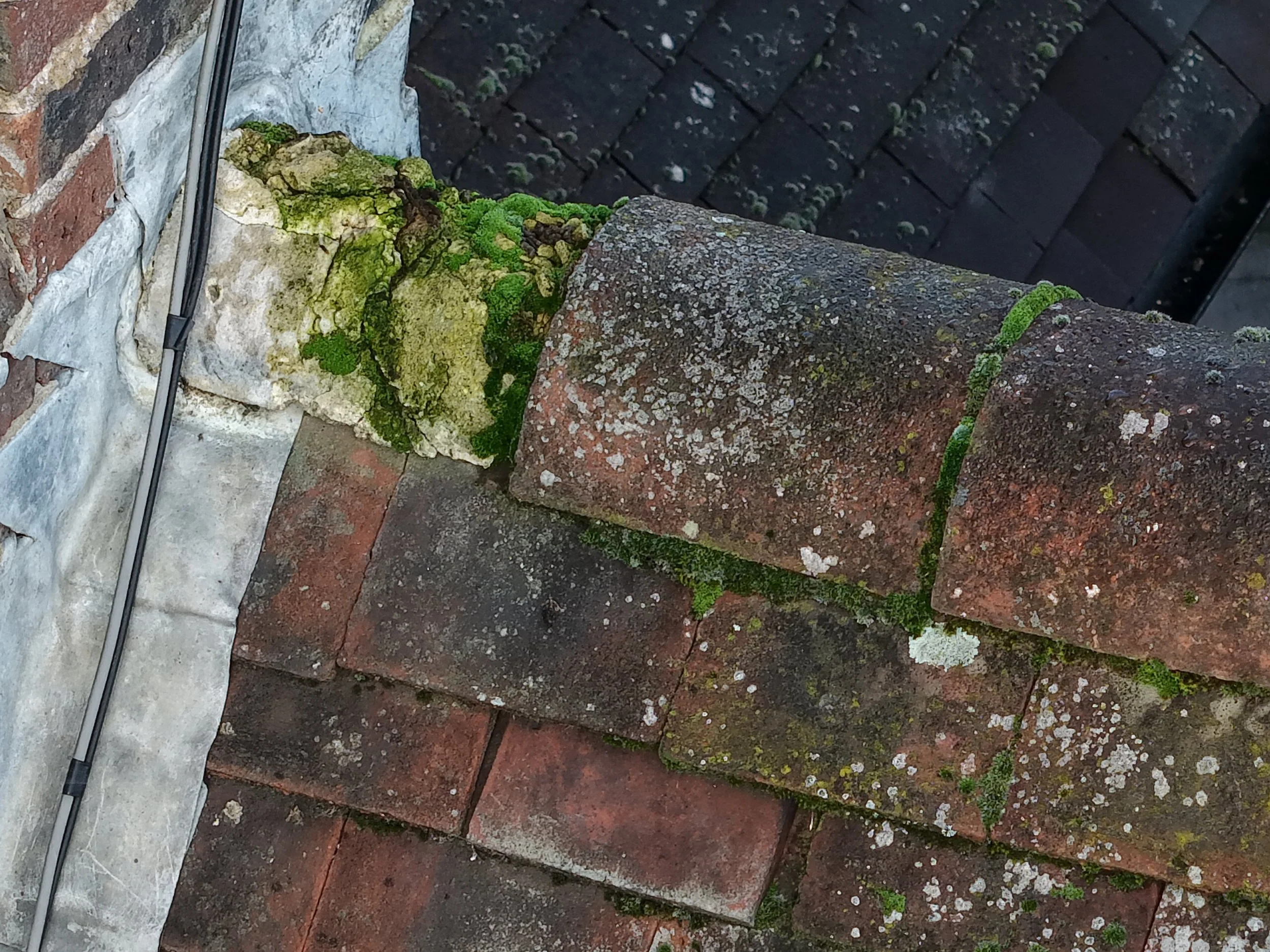
RIDGE TILES
Missing or damaged ridge tiles cause significant roof problems, primarily water ingress leading to leaks, damp, mould, and rotten timbers; they also create entry points for pests (birds, rodents, insects), compromise structural integrity, reduce insulation, and can lead to higher energy bills, making prompt repair crucial to prevent major structural damage and costly replacements.
-
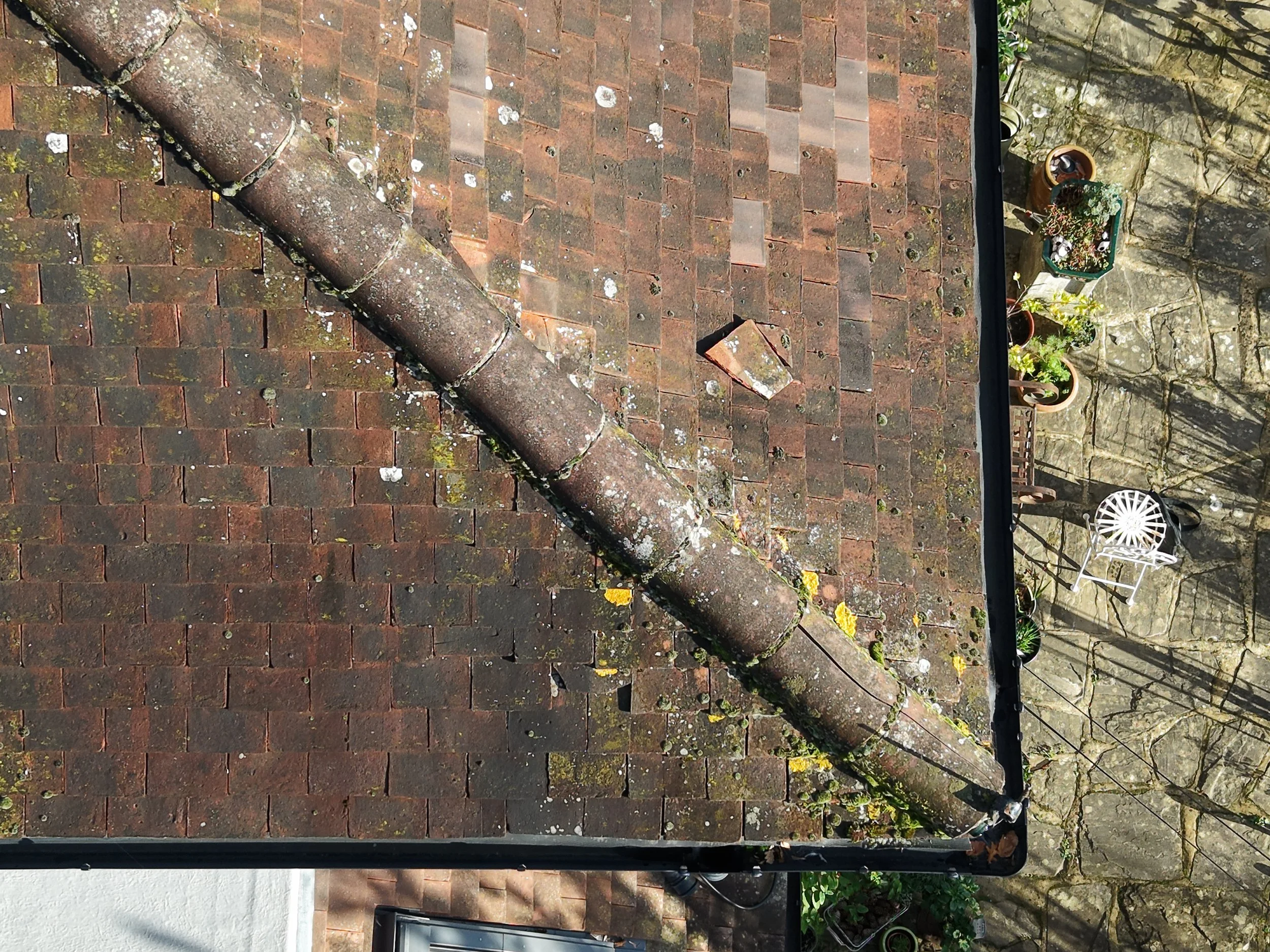
GUTTERS
Blocked or damaged gutters cause water to overflow, leading to severe issues like foundation damage, structural problems (roof, walls, basement), wood rot (fascia/soffits), mould growth, pest infestations, and landscape erosion, resulting in expensive repairs, dampness/damp patches, peeling paint/wallpaper, and health risks (respiratory issues from mould).
-
MOSS
Moss buildup on a roof can cause significant damage by trapping moisture that would normally flow away (Moss acts like a sponge, holding water against the roof tiles and structure for extended periods), leading to possible degrading of roofing materials, lifting and separation of tiles, wood rot and the creation of leaks resulting in expensive repair costs.
-
Aerial Photography
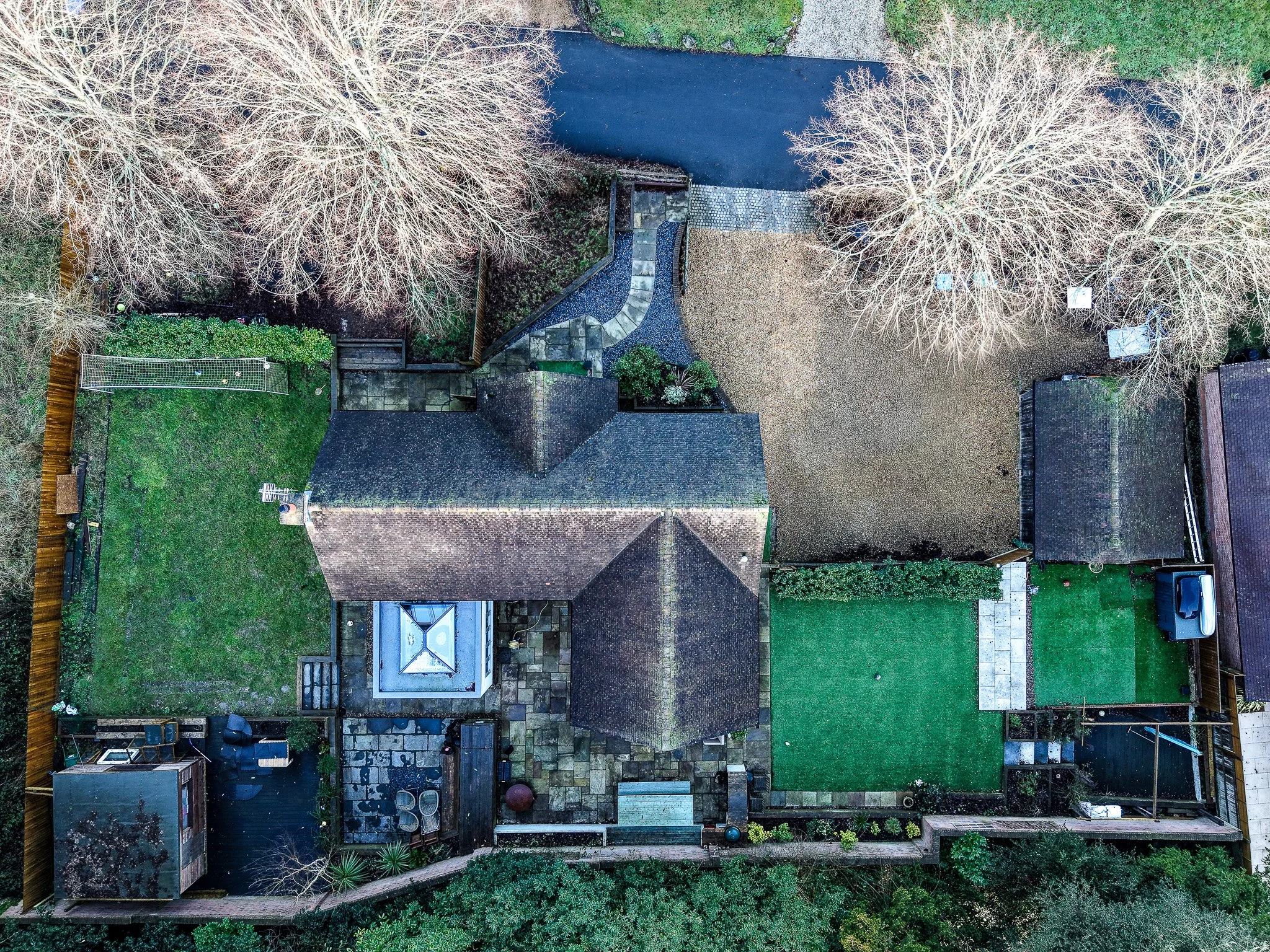
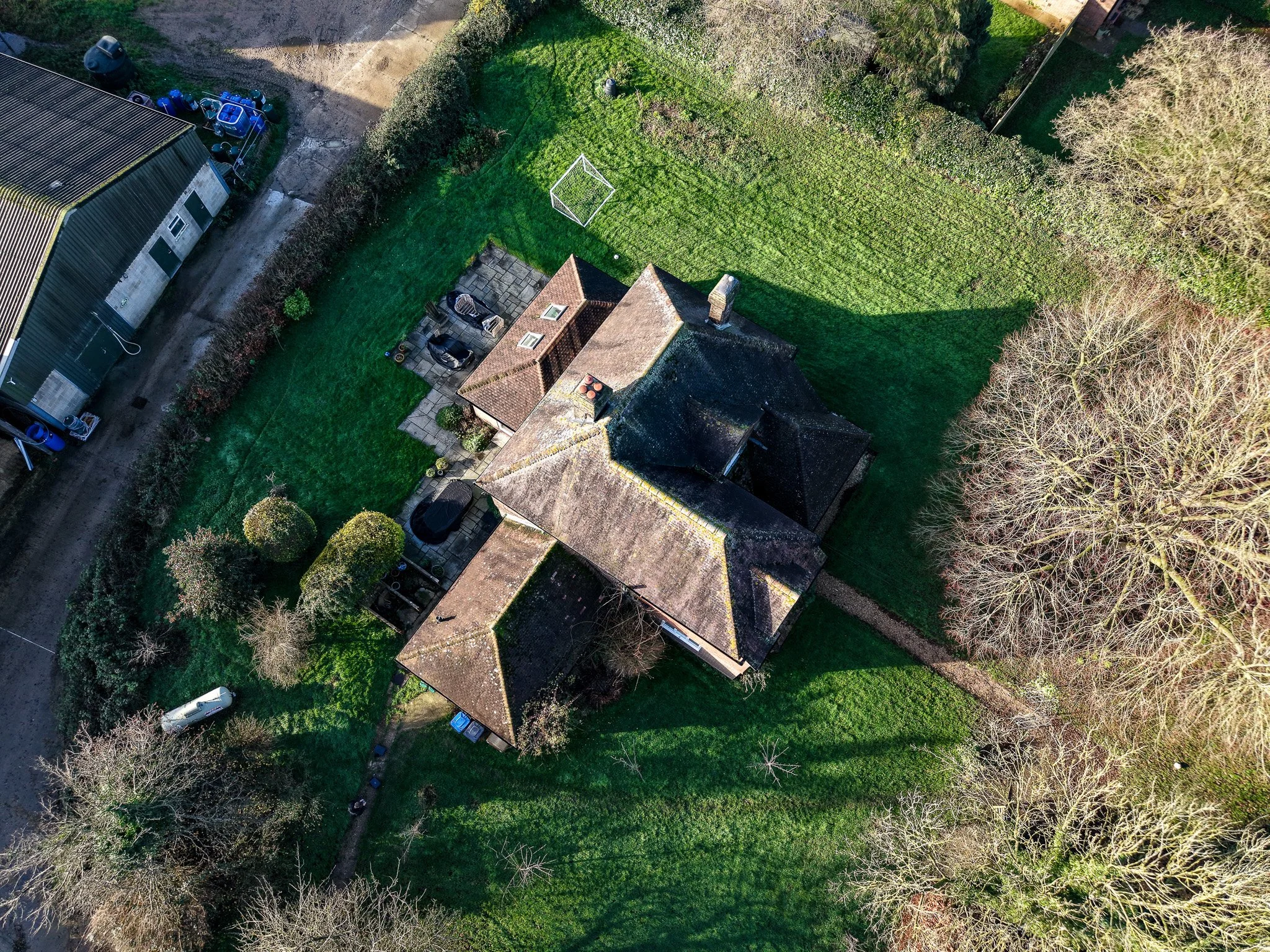
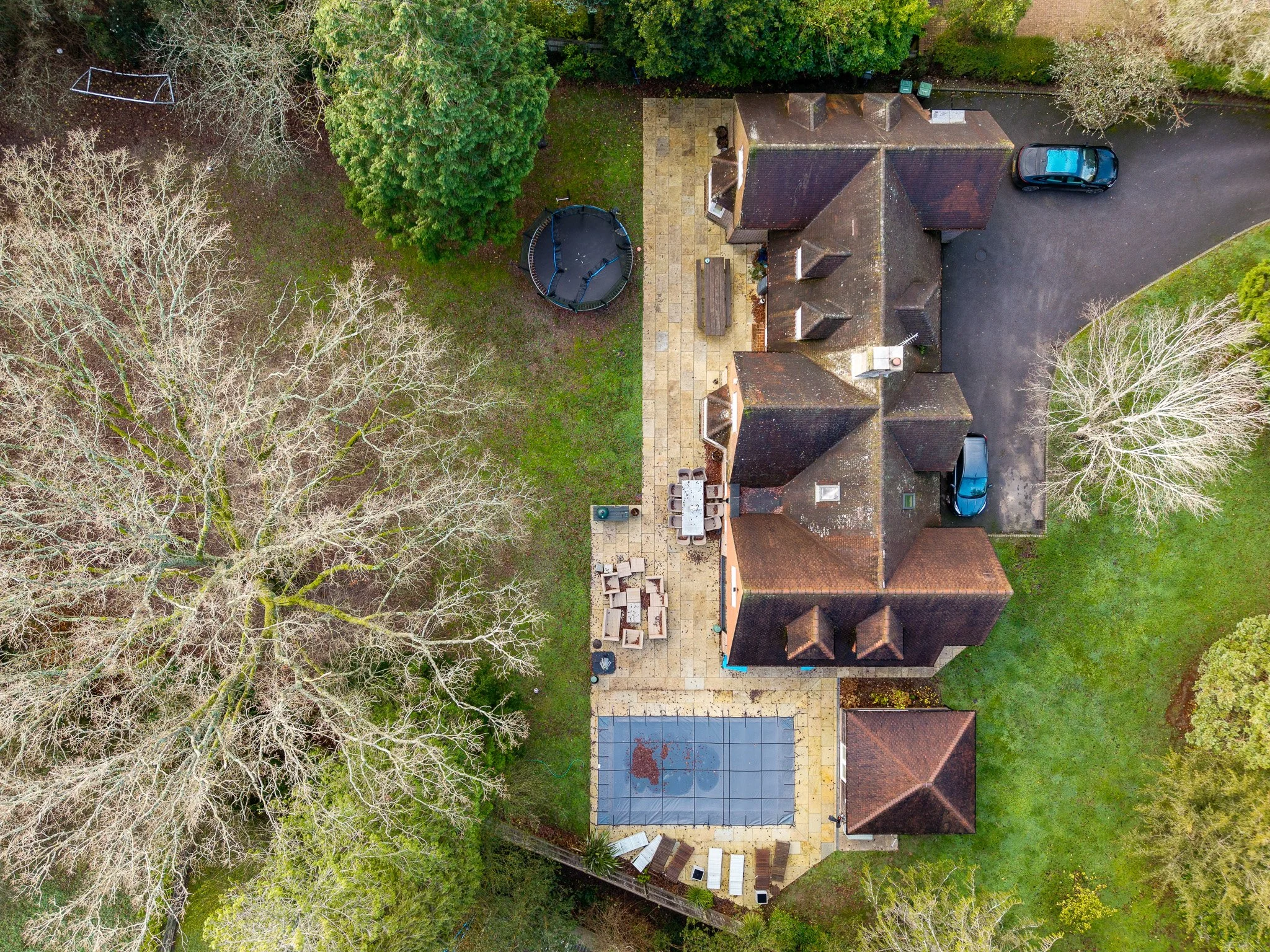
Property overview
-
Aerial Photography
Property overview
-
Aerial Photography
Property overview
-
Aerial Photography
Property overview
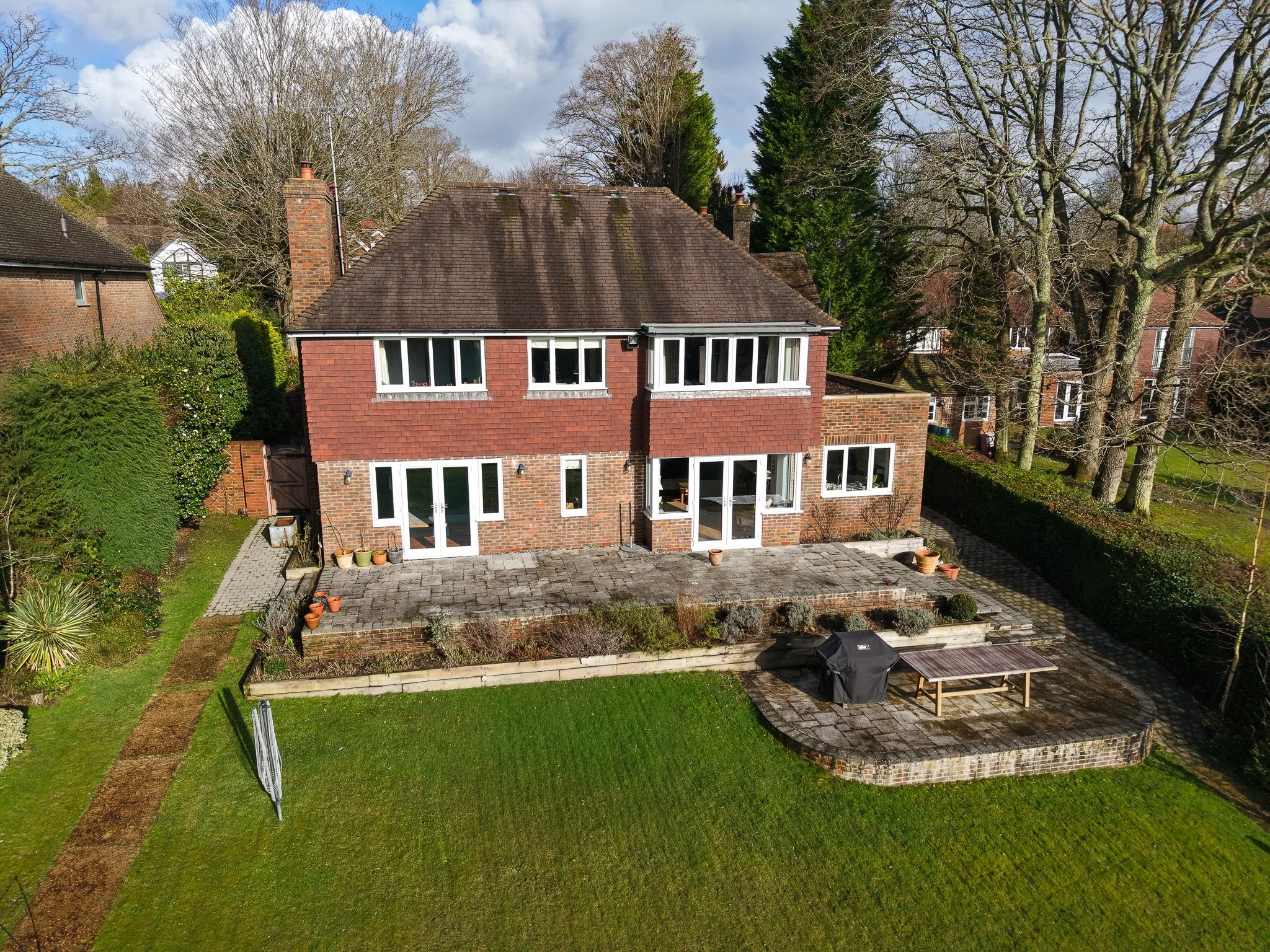
-
Aerial Photography
Property Overview
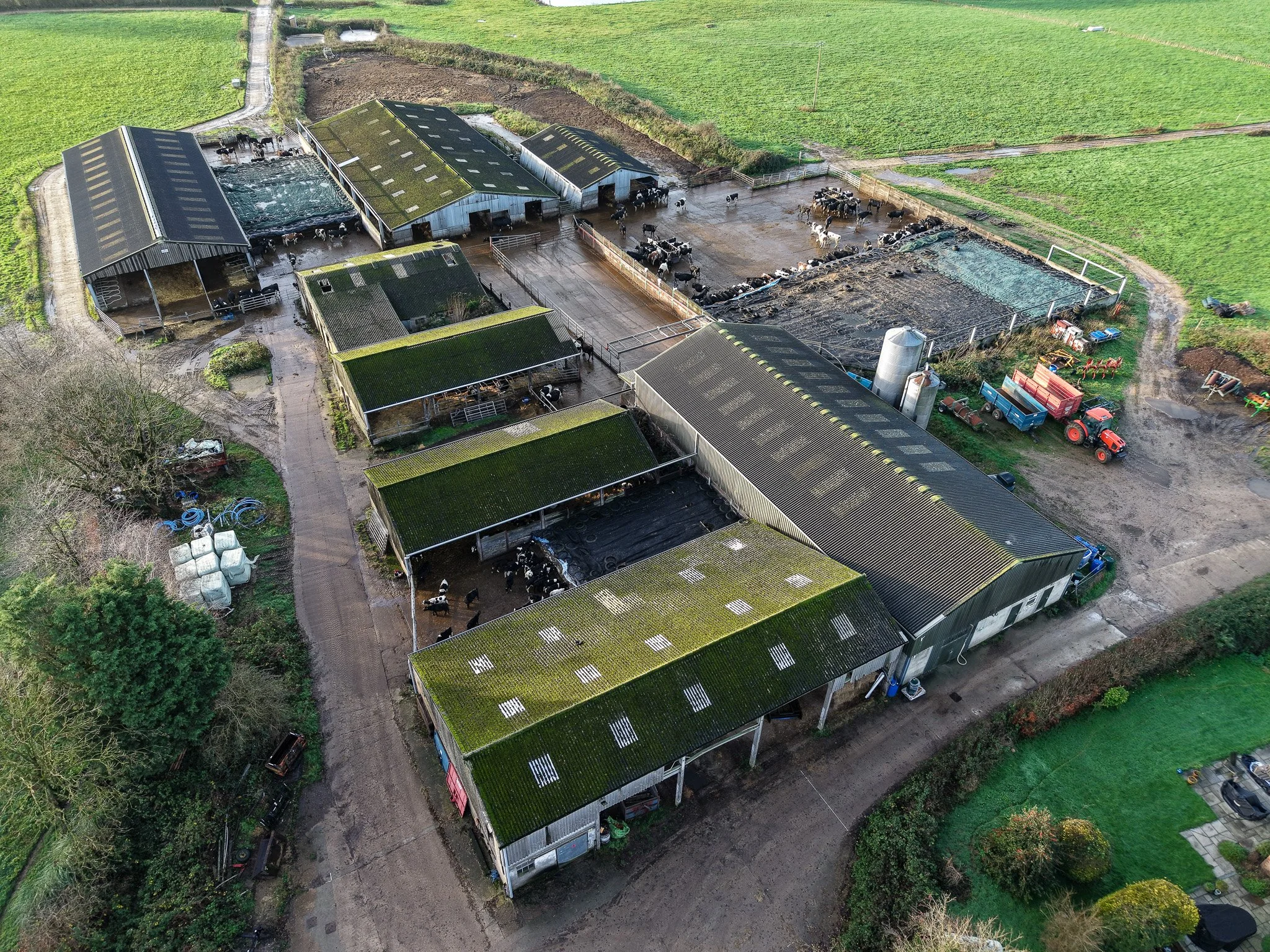
-
Aerial Photography
Property Overview

-
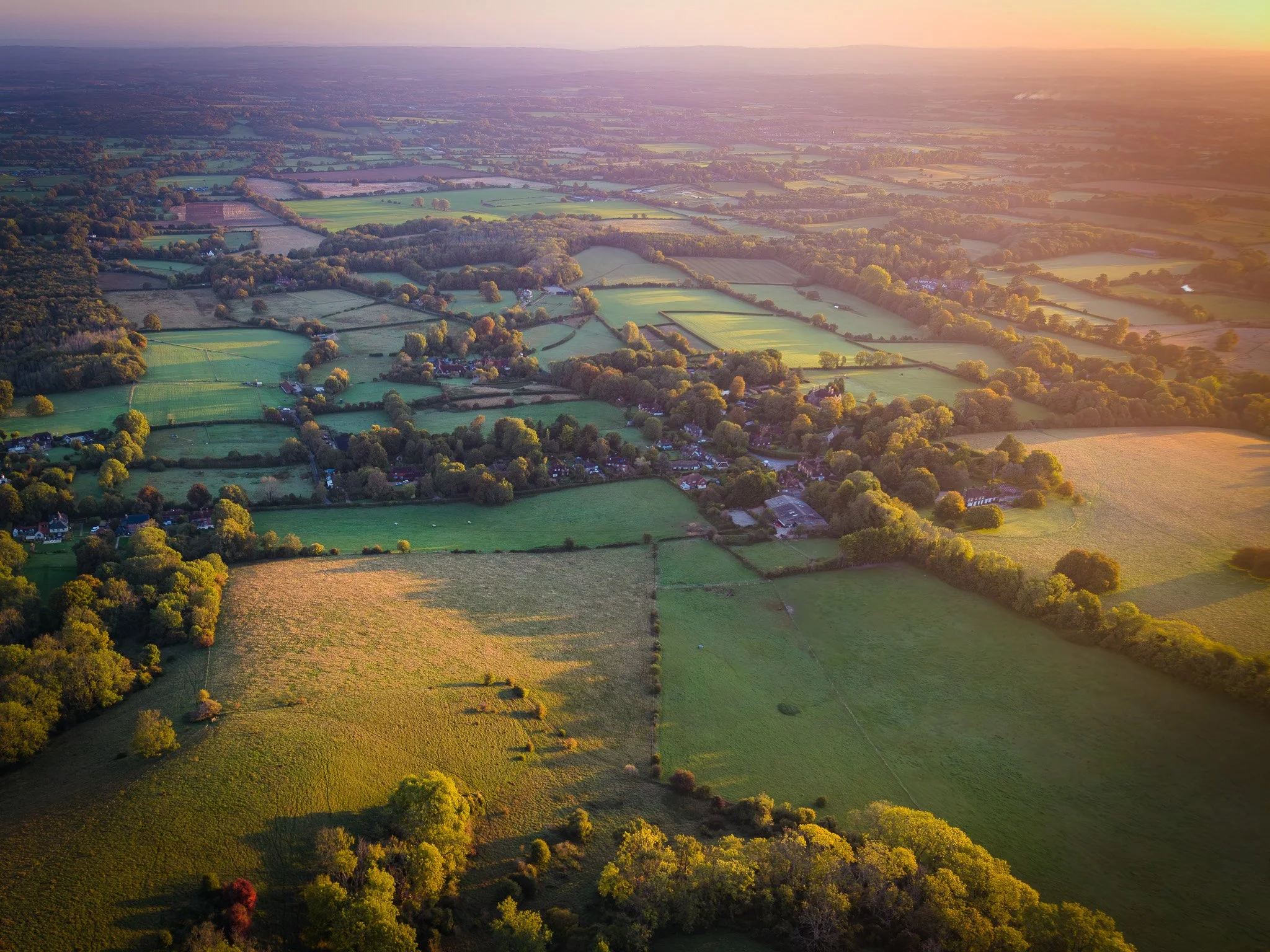
Aerial Photography
Westmeston, Sussex
-
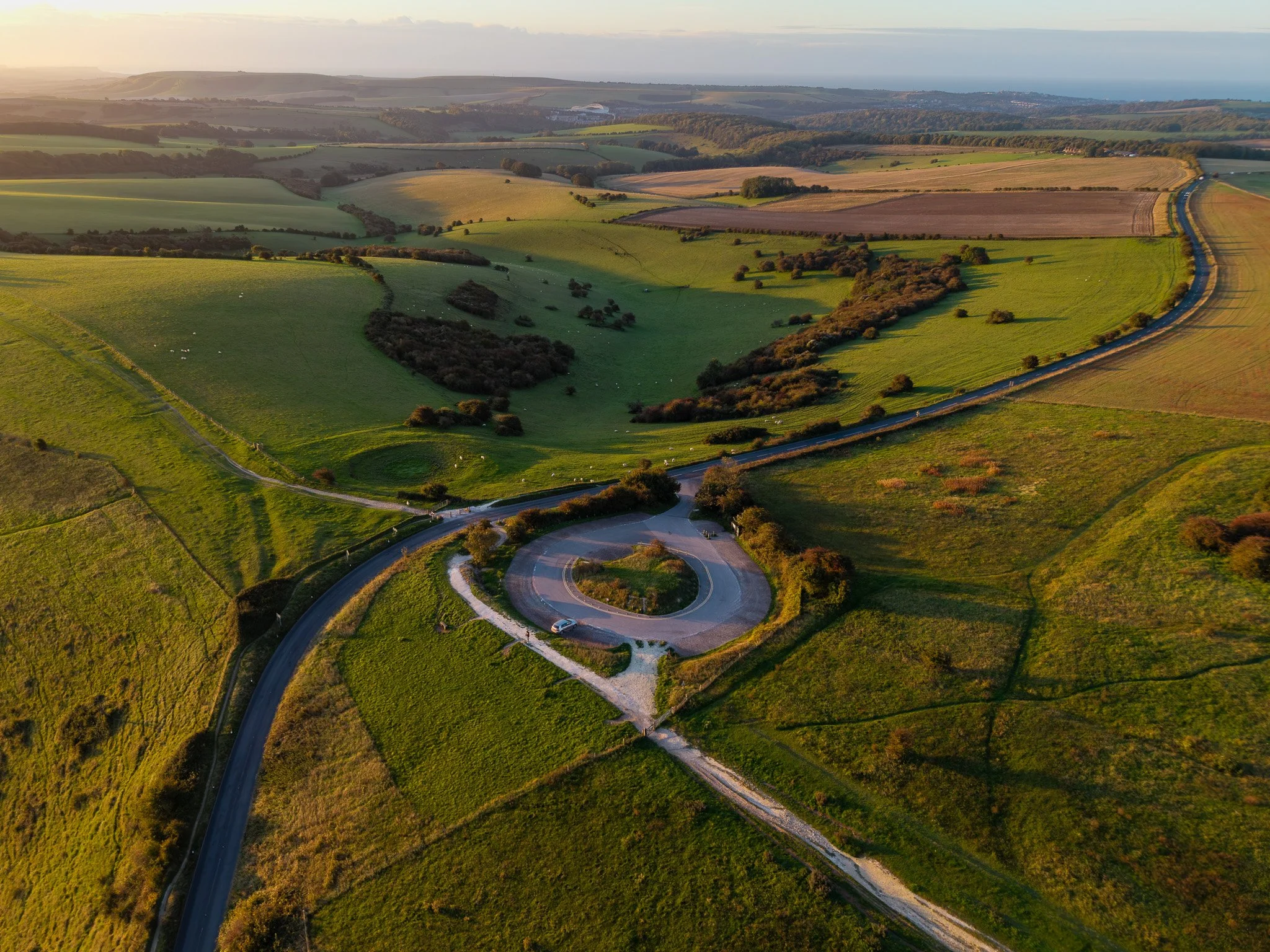
Aerial Photography
Ditchling Beacon, Sussex
What you receive
On successful completion of each work assignment, the high quality image files will be provided via a private cloud storage link, unique to each customer.
This provides you full access to view and download the images with the freedom to use them whilst engaging trades to complete any property remedial work required.
CONTACT US
Are you ready to book your drone inspection, or simply wanting to learn more about how the process works and the costs involved?
Drop us a line to discuss your needs.
Email: dpilimited@icloud.com
Telephone: 07751 410 837
We may be mid-flight so leave a message and we will come back to you at the earliest opportunity!
When carrying out property inspections by drone in the UK, there are a number of safety rules and legal requirements that we must follow.
These rules are set by the Civil Aviation Authority (CAA) to ensure drones are operated safely and responsibly.
UK Drone Regulations
Pilot and Operator Requirements
To fly a drone commercially, we must hold two IDs:
Flyer ID – shows that the pilot has passed a basic competency test.
Operator ID – identifies the person or organisation responsible for the drone. This ID must be clearly labelled on the aircraft.
Keeping the Drone in Sight
All flights must be carried out within visual line of sight (VLOS). This simply means the drone must stay close enough for the pilot to see it clearly at all times without binoculars or other aids.
Maximum Height Limit
Drone flights must not exceed a maximum height of 120 metres (400 ft) above ground level. This limit helps avoid conflict with manned aircraft such as helicopters and small planes.
Distances from People and Properties
The drone should be kept at a safe distance from people.
It is possible where necessary to fly closer to people than 50m horizontally, including people who are not involved in what we are doing.
It is possible where necessary to fly over people, including people who are not involved in what we are doing.
It is possible where necessary to fly in residential, recreational, commercial or industrial areas.
Overflying crowds of people is NOT permitted under any circumstances.
It is NOT possible to fly in restricted airspace.
It is NOT possible to carry dangerous goods or drop articles.
We must always respect people's privacy.
Weather Conditions
Poor weather can increase flight risk. Strong winds, rain, or reduced visibility may require postponing or cancelling a flight. While flying in light rain isn’t illegal, we would avoid this to mitigate risk of damage to people, property, the drone and also to maintain image quality.